
LIMID s.r.o.
Mohelno 451, 675 75 MOHELNO, Česká republika

Phone
+420 728 944 843

E-mail
info@limid.cz
We offer MIG/MAG, TIG, resistance welding (spot welding) and stud welding. The basic parameters of each machine are in the tabs below.
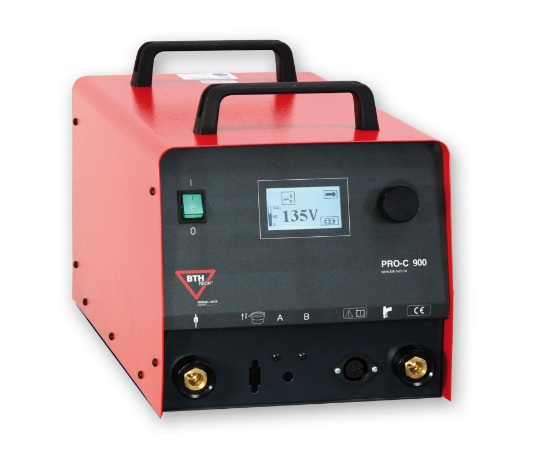
Range of welded studs diameter 2 - 8 mm
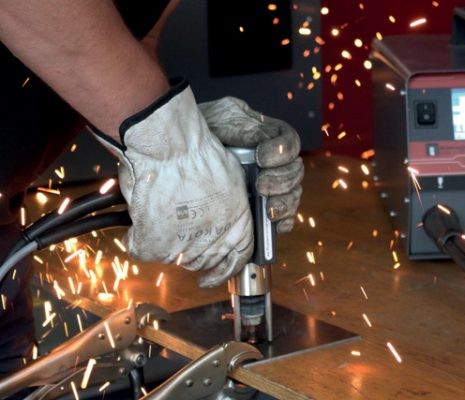
Capacitor welding power sources operate on the principle of capacitor discharge, which means they can be connected to a 230 V mains voltage. They are designed for stud welding with tip ignition technology.

Welding current range 3 - 400 A
Pulse welding possible
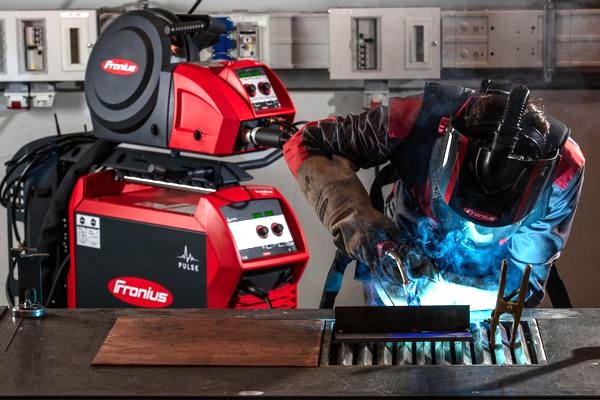
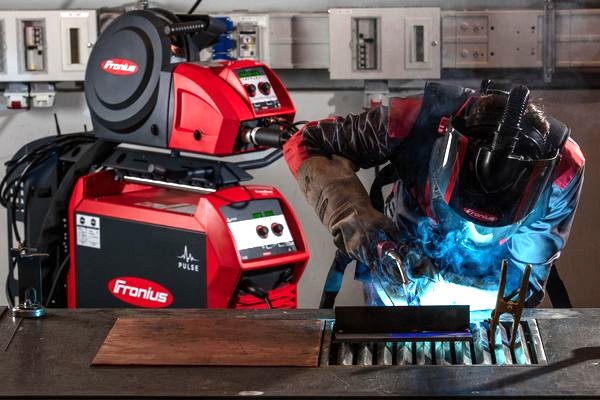
MIG/MAG refers to semi-automatic welding of metals in a protective atmosphere of inert (MIG) or active (MAG) gas. We have several Fronius TPS 320 and 400A machines in the welding shop.
Welding current range 5 - 200 A
High frequency HF ignition
Pulse welding option
AC/DC option
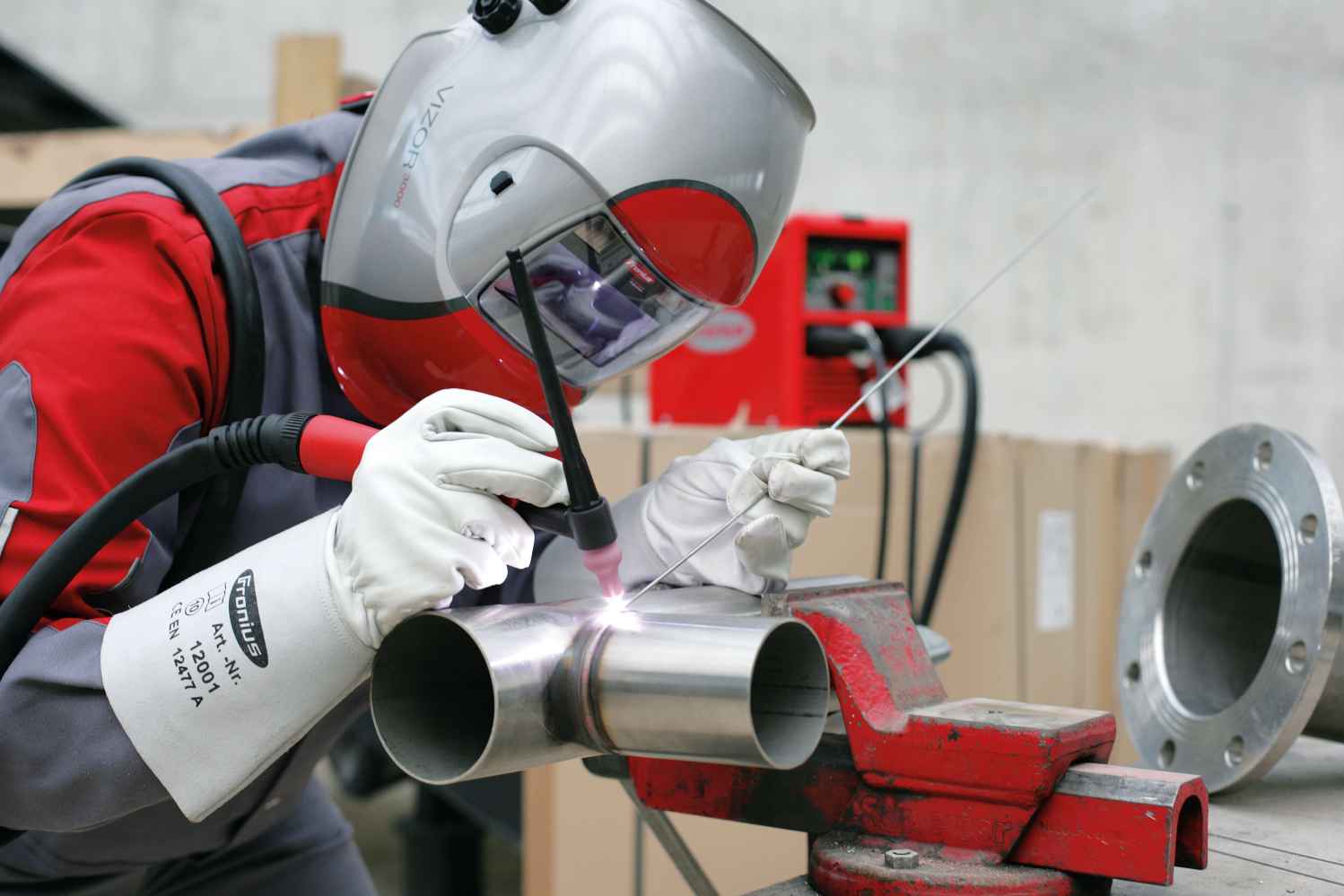
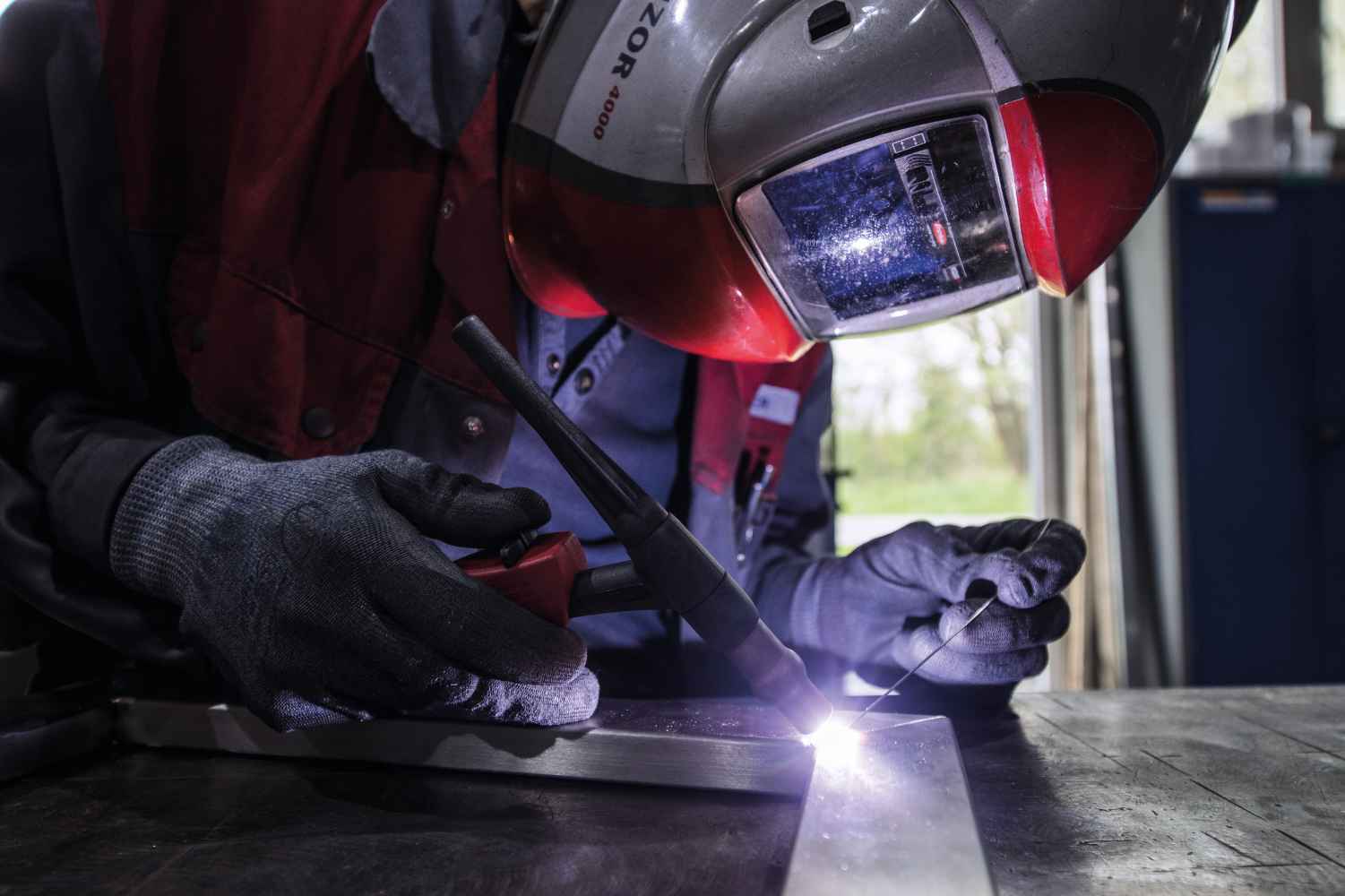
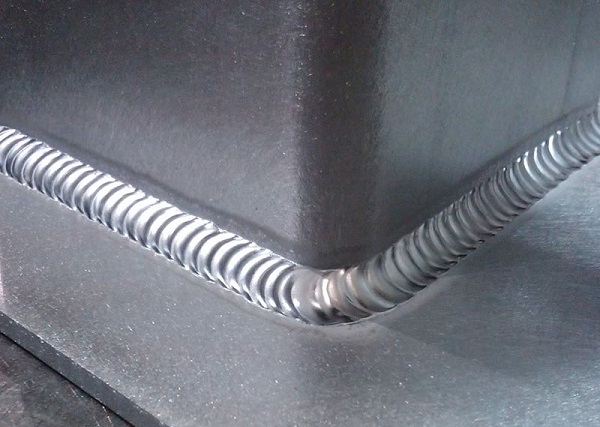
Tungsten inert gas welding (TIG welding) is a welding process with a shielding gas, which is one of the fusion welding processes. It is used wherever high quality and spatter-free weld seams are required. TIG welding is intended for, among other things, stainless steel, aluminum and nickel alloys as well as thin aluminum and stainless steel sheets. It is used in the production of pipelines and tanks, portal structures or in aviation and aerospace.
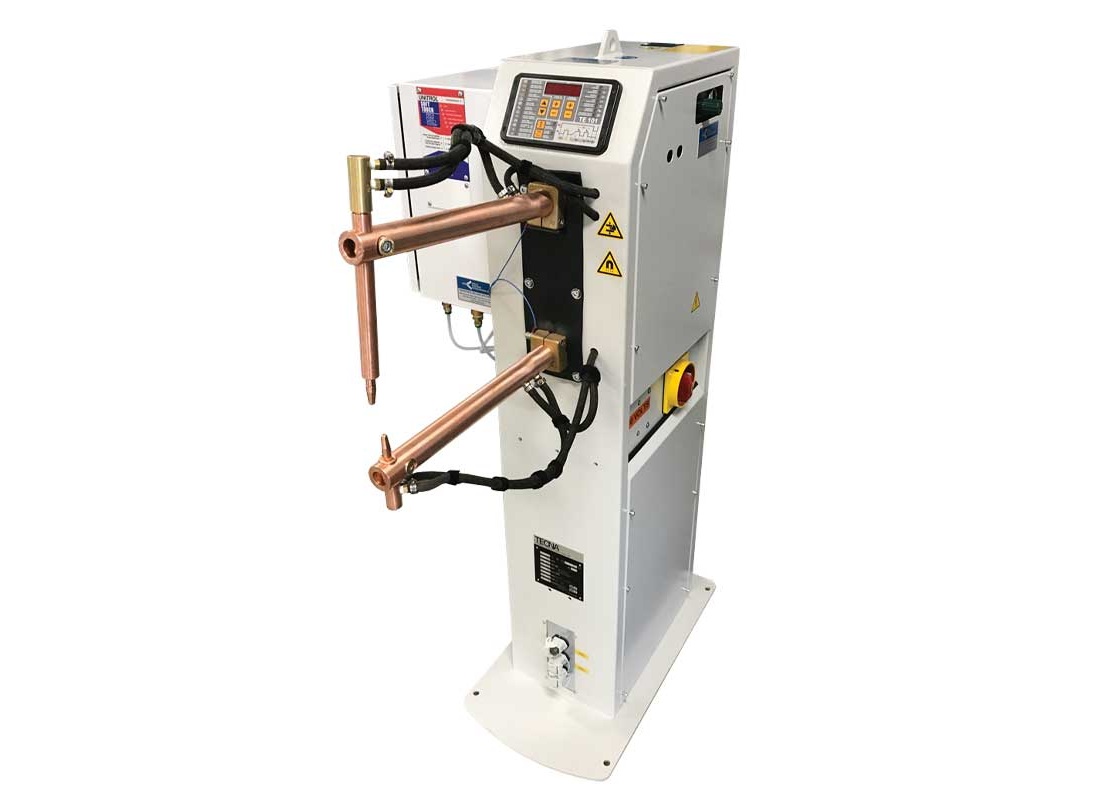
The TECNA 4648 machine is capable of welding (spot welding) common steel grades - stainless steel, galvanized steel, in material thicknesses from 0.5mm to 4mm.
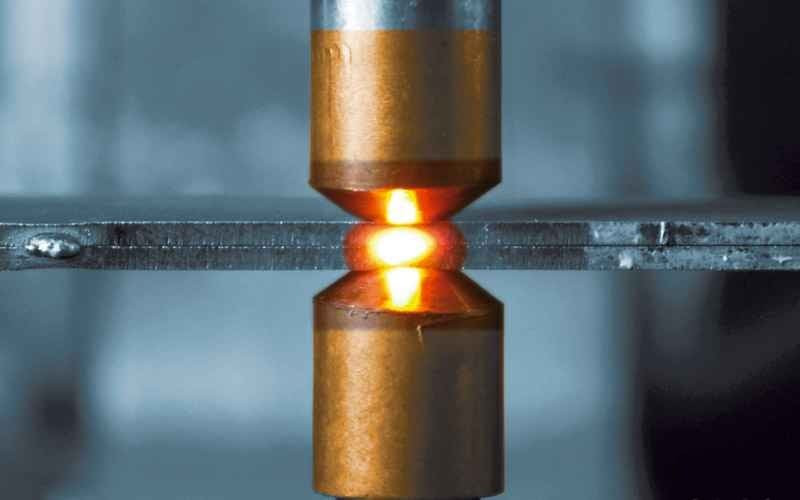
Resistance welding is a technology for joining metallic materials using heat generated by the passage of an electric current and the simultaneous application of pressure. The heat is generated due to the material's resistance to the electric current, which is why this method is called resistance welding. It is most often used for spot welding, where the heat is concentrated on a small area.